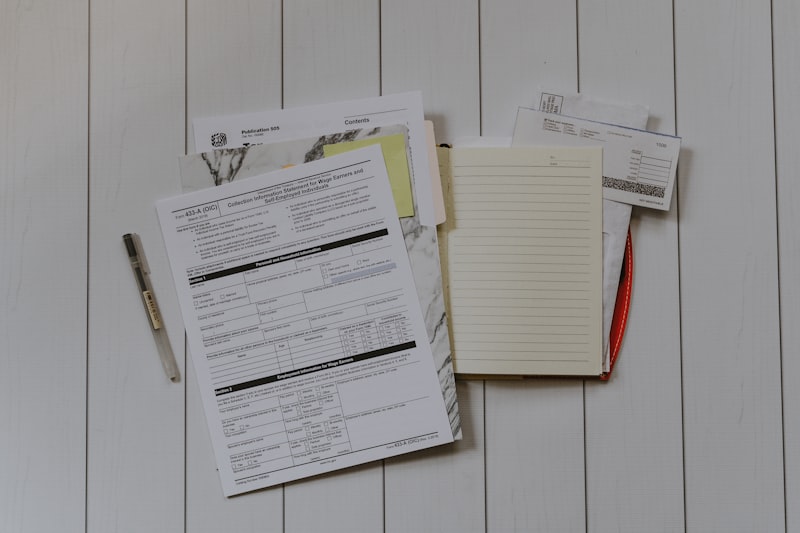
Transitioning from a paycheck to retirement income changes your tax situation in ways that many public sector retirees don't fully anticipate. While this article cannot provide tax advice, understanding the general tax landscape for government retirees can help you know what questions to ask when working with a tax professional.
Government Pension Income
Federal, state, and local government pension payments are generally subject to federal income tax. However, the specifics depend on several factors:
- Contributions you already paid tax on — If you made after-tax contributions to your pension during your career, a portion of each pension payment may be tax-free (representing the return of your own contributions)
- State income taxes — Whether your state taxes pension income varies significantly. Some states fully exempt government pensions, others partially exempt them, and some tax them fully
TSP Withdrawals
Distributions from the Thrift Savings Plan are generally taxable as ordinary income in the year they are received. Important distinctions include:
- Traditional TSP — Withdrawals are fully taxable as income
- Roth TSP — Qualified withdrawals are generally tax-free (contributions were made with after-tax dollars)
- Required Minimum Distributions (RMDs) — The IRS requires you to begin taking minimum distributions from traditional TSP accounts at a certain age
Social Security Taxation
Many retirees are surprised to learn that Social Security benefits can be taxable. Whether your benefits are taxed depends on your "combined income" (adjusted gross income plus nontaxable interest plus half of your Social Security benefits):
- Below certain thresholds, Social Security is not taxed
- Above those thresholds, up to 50% or 85% of benefits may be taxable
For public sector retirees receiving both a government pension and Social Security, it's important to understand how these income sources combine for tax purposes.
State Tax Considerations
State income tax treatment of retirement income varies dramatically across the country. Some key variations include:
- States with no income tax — Several states (Florida, Texas, Nevada, etc.) don't tax any income
- States that exempt government pensions — Some states partially or fully exempt federal, state, or military pensions from state income tax
- States that tax all retirement income — Some states treat pension and retirement income the same as other ordinary income
For retirees considering relocation, understanding the state tax implications of different locations can be a significant factor in the decision.
Tax Withholding in Retirement
Managing your tax withholding across multiple income sources (pension, TSP, Social Security) requires attention. Unlike active employment where your employer handles withholding, in retirement you may need to:
- Set up withholding on your pension payments
- Manage withholding or make estimated quarterly payments for TSP distributions
- Potentially set up voluntary withholding on Social Security benefits
Working with Tax Professionals
Given the complexity of tax rules affecting government retirees, working with a tax professional who understands public sector retirement benefits is advisable. Key topics to discuss include:
- Optimal timing for TSP withdrawals
- Roth conversion strategies
- State residency and tax planning
- Required Minimum Distribution planning
- Coordination of income sources to manage tax brackets
For more educational content about public sector employment and retirement, browse our Blog.
This article is for general educational purposes only and does not constitute tax advice. Tax laws change frequently, and individual circumstances vary significantly. Consult with a qualified tax professional regarding your specific situation.